


There is nothing quite like the natural warmth and rich character of hardwood floors when the snow begins to fall over the Front Range. From established neighborhoods near Meadowood and Heather Gardens to newer developments across Southlands, hardwood remains one of the most beloved flooring choices for Aurora homeowners.
However, our unique semi-arid climate creates a demanding environment for natural lumber. When sub-zero cold snaps hit Arapahoe County, our home heating systems run around the clock, stripping the indoor air of moisture. Combined with snowy boots tracking in de-icing chemicals, winter can quickly take a toll on even the most durable planks.
Protecting your investment doesn’t require complex routines. With a clear understanding of how timber responds to seasonal shifts and a few proactive habits, you can keep your floors healthy, stable, and glowing through the coldest months.
Table of Contents
How to Care for Hardwood Flooring in Colorado's Dry Climates
Professional Hardwood Floor Care: Refresh Your Floor's Protective Shield
Shop New Hardwood Flooring at Simply Floors in Denver, CO
Hardwood Care & Maintenance Frequently Asked Questions
How to Care for Hardwood Flooring in Colorado's Dry Climates
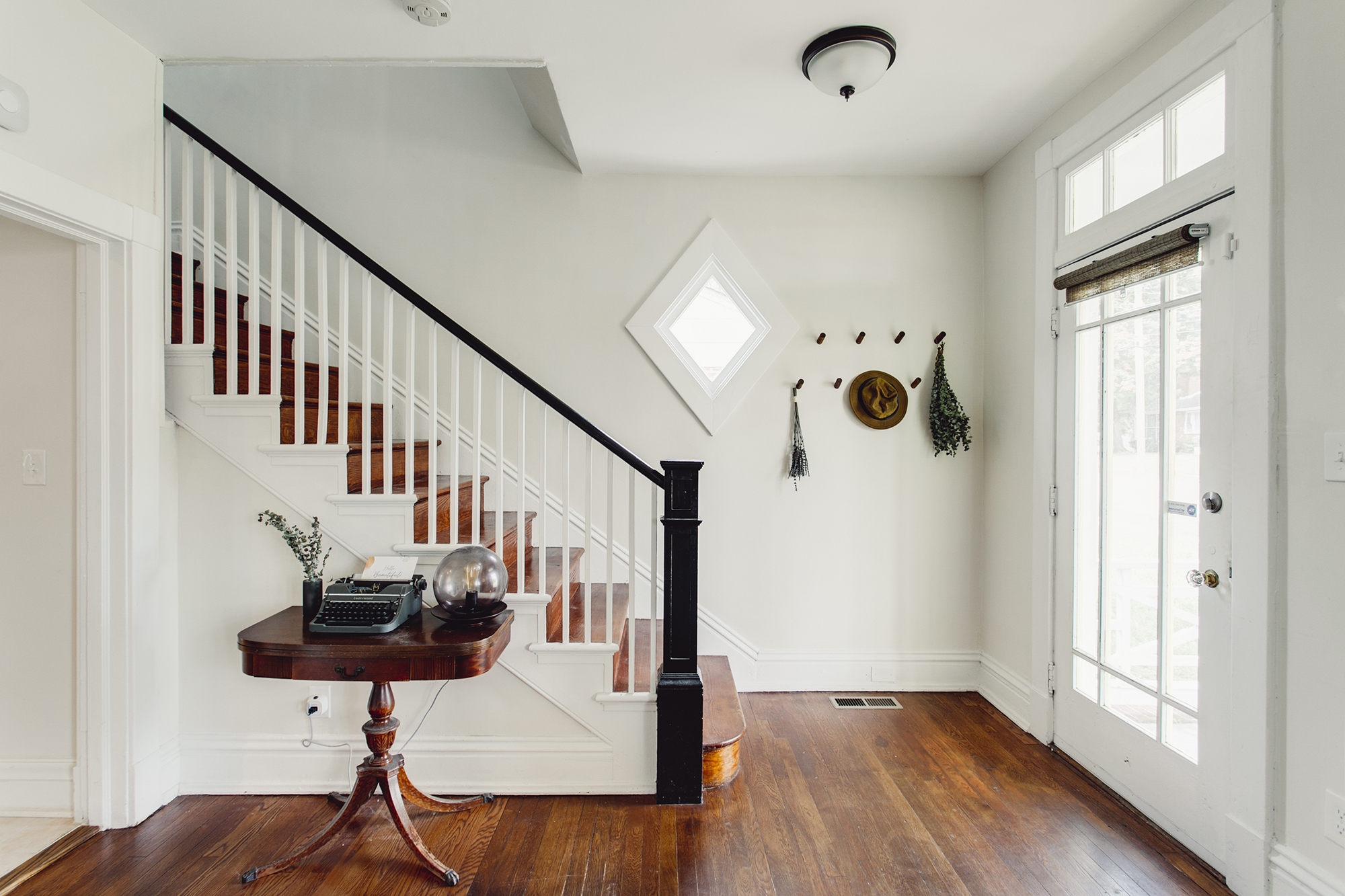
Controlling Indoor Humidity: Preventing Winter Gaps and Splintering
Because wood is an organic, hygroscopic material, it naturally absorbs and releases moisture to stay in balance with the surrounding air. When winter heating dries out your living spaces, your floorboards release their stored moisture and contract.
The Science Behind Winter Gaps
When planks shrink, small spaces can open up between individual boards. In most Aurora homes, hairline gaps during January and February are completely normal seasonal adjustments. However, if indoor air drops below 30% relative humidity, that contraction can stress the wood fibers, leading to:
Edge cupping or crowning as moisture leaves the board unevenly.
Surface checking, which presents as tiny stress cracks running along the grain.
Squeaking or creaking caused by loose tongue-and-groove connections rubbing together.
Maintaining the 35% to 55% Comfort Zone
To keep your floorboards stable, aim to maintain your home’s indoor relative humidity between 35% and 55%.
Whole-Home Humidifiers: If your HVAC system includes an integrated humidifier, service the filter before winter begins and set the humidistat to adjust with outdoor temperature drops to prevent window condensation while keeping floors nourished.
Targeted Room Humidifiers: For homes relying on baseboard heat or older furnaces, placing evaporative humidifiers in high-traffic spaces like living rooms and open-concept kitchens prevents planks from drying out.
Inexpensive Hygrometers: Place a small digital humidity monitor in your main living area so you always know your home’s baseline at a glance.
Maintaining Hardwood Floors Amidst Snow, Mud, and Front Range De-Icing Chemicals
Winter foot traffic brings two major hazards indoors: standing moisture and abrasive melting compounds. Road crews and neighborhood associations across Aurora rely heavily on salt, sand, and liquid magnesium chloride to clear roadways and sidewalks. When tracked inside, these compounds act like coarse sandpaper underfoot and can chemically dull a floor’s clear coat.
The Two-Mat Defense Strategy
The easiest way to preserve your finish is to stop winter elements at the threshold.
Exterior Scraper Mat: Place a heavy-duty, coir or rubber bristled mat outside every entry to pull packed snow, slush, and gravel off the treads of winter boots.
Interior Absorbent Rug: Place a non-staining, absorbent walk-off rug just inside the door. Choose rug pads made of natural rubber or felt; avoid cheap latex or plastic backings, which can trap moisture underneath and discolor hardwood finishes.
A Strict "No-Shoes" Rule: Encourage family and guests to swap slushy footwear for slippers at the door. A designated boot tray with an elevated drying grid gives melting ice a safe place to drain away from your wood.
Gentle Hardwood Floor Cleaning: Ditch Moisture for Smarter Winter Floor Care
When winter slush leaves cloudy white water marks or salty residue across your entryway, reaching for a mop bucket or steam cleaner is tempting. However, traditional wet-cleaning methods are one of the fastest ways to permanently damage wood planks.
Why Wet and Steam Mops Are Dangerous
Excess water seeps into the seams between contracted winter boards. Once moisture enters raw edges, it causes the wood fibers to swell, leading to permanently warped edges, finish peeling, and dark water stains.
Steam mops are especially damaging, as pressurized heat forces moisture deep into the grain and breaks down protective polyurethane coatings.
Safe, Effective Winter Cleaning Steps
Dry Dust Mopping: Use a dry microfiber dust mop daily to pick up loose grit, sand, and pet dander before they get ground into the polyurethane.
Vacuum with Care: Use a vacuum designed with a dedicated bare-floor setting that turns off the rotating beater bar. Stiff rotating bristles can leave micro-scratches across your floor's surface.
Spot-Treating Salt Rings: For stubborn white salt residue, lightly mist a hardwood-specific, pH-neutral cleaner onto a microfiber cloth (never directly onto the floor) and gently wipe the spot dry immediately.
Protect High-Traffic Zones & Manage Pet Claws
Winter keeps families and pets indoors for longer stretches, concentrating daily activity in main living areas, hallways, and kitchen work zones.
Strategic Area Rugs and Runners
Placing breathable runner rugs along busy corridors, between the sink and stove, and near exterior doorways shields vulnerable zones from falling kitchen utensils, wet paws, and heavy foot traffic. Make sure your rug pads are rated safe for polyurethane finishes to allow the boards beneath to breathe naturally.
Furniture Pads and Pet Care
Dry winter conditions make floor finishes slightly more brittle and susceptible to friction marks.
Replace Worn Felt Pads: Inspect the feet of dining chairs, barstools, and coffee tables. Over time, felt pads collect abrasive dust; replace them at the start of the season with thick, heavy-duty felt protectors.
Trim Pet Nails: Cold weather often means shorter outdoor walks on pavement, allowing dog claws to grow faster. Keeping nails trimmed and paws wiped down after snowy walks prevents claw gouges and chemical irritation on your floors.
Professional Hardwood Floor Care: Refresh Your Floor's Protective Shield
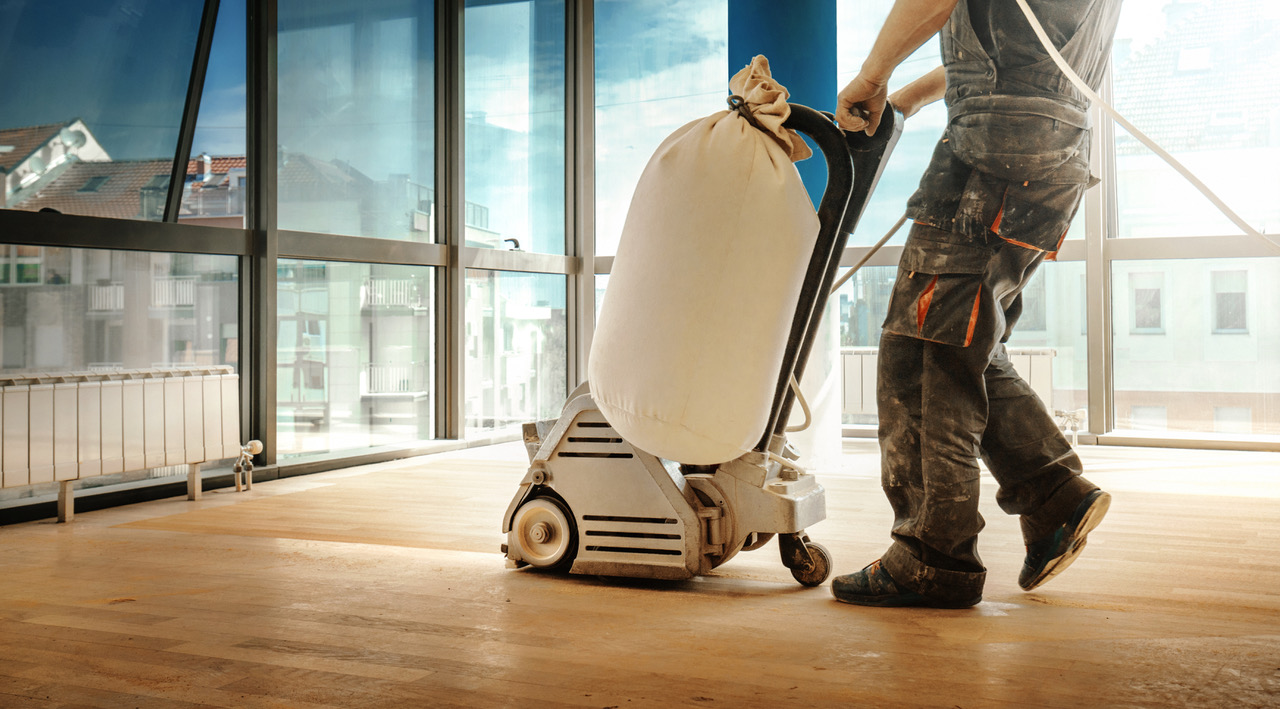
Even with diligent seasonal care, living an active lifestyle means your floor's protective topcoat will naturally thin out over time. If your boards look dull, dry, or have lost their luster, proactive maintenance can extend their lifespan without a full disruption to your home.
Screen and Recoat (Buff and Coat): If surface scratches haven't penetrated down to raw timber, a professional screen and recoat removes fine scuffs in the polyurethane and applies a durable, fresh top layer in just a single day. This prevents winter moisture from reaching the natural lumber.
Full Sand and Refinish: For older Aurora homes where boards exhibit deep gouges, heavy gray water discoloration, or structural wear, a complete sand-and-refinish restores the raw timber back to its original beauty, allowing you to update your stain color and sheen.
Shop New Hardwood Flooring at Simply Floors in Denver, CO
Whether you live in Arvada, Centennial & Aurora, CO, we offer a wide selection of hardwood floors at each of our hardwood flooring stores. Step inside and explore the varieties, feel the samples, and take some home with you!
We offer a wide selection of wood flooring services, from products by top brands in the industry to expert installation services, screen and recoats, and hardwood refinishing. Learn more about hardwood floor care and maintenance tips online.
Visit one of our showrooms in Arvada, CO, Centennial, CO, Aurora, CO or shop at home today!
Our Service Areas Include: Wheat Ridge, Centennial, Denver, Arvada, Aurora, Golden, and Parker, CO
Arvada, CO
Address: 5945 Ward Rd Arvada, CO 80004
Phone: (303) 731-5380
Centennial, CO
Address: 8101 S Quebec St. #2 Centennial, CO 80112
Phone: (303) 731-5380
Aurora, CO
Address: 17034 E Quincy Ave. Aurora, CO 80015
Phone: (303) 731-5380
About Simply Floors Inc.
At Simply Floors, we believe the best place to choose your new flooring isn’t under the buzzing fluorescent lights of a warehouse, but in the natural light of your own home where your life actually happens. As a woman-owned, family-operated business serving the Colorado Front Range—from Arvada and Wheat Ridge to Centennial and Parker—we’ve traded the high overhead of "mega-showrooms" for a personalized shop-at-home experience that puts you in control.
Our mission is built on a simple promise to enthusiastically exceed your expectations by providing curated, high-quality selections and transparent pricing without the big-box stress. Whether you are replacing well-worn carpet or updating your forever home, our dedicated team handles every detail with "Excellence in the Ordinary," ensuring a seamless, professional journey from the first measurement to the final plank.
Hardwood Care & Maintenance Frequently Asked Questions
Q: Are the gaps that appear between my wood floorboards in winter permanent?
In most cases, no. Seasonal gapping is a normal reaction to low humidity. Once spring arrives and Front Range humidity levels rise naturally, the wood expands and the gaps close on their own.
However, if gaps persist into the humid summer months, it may indicate excessive dryness during installation or an underlying structural issue.
Q: How do I safely remove white ice-melt stains from my hardwood?
Never use harsh detergents or vinegar solutions, as acid dulls and degrades protective clear coats over time. Instead, lightly dampen a microfiber cloth with warm water and a drop of pH-neutral hardwood floor cleaner, gently rub the salt residue until dissolved, and immediately towel the area completely dry.


